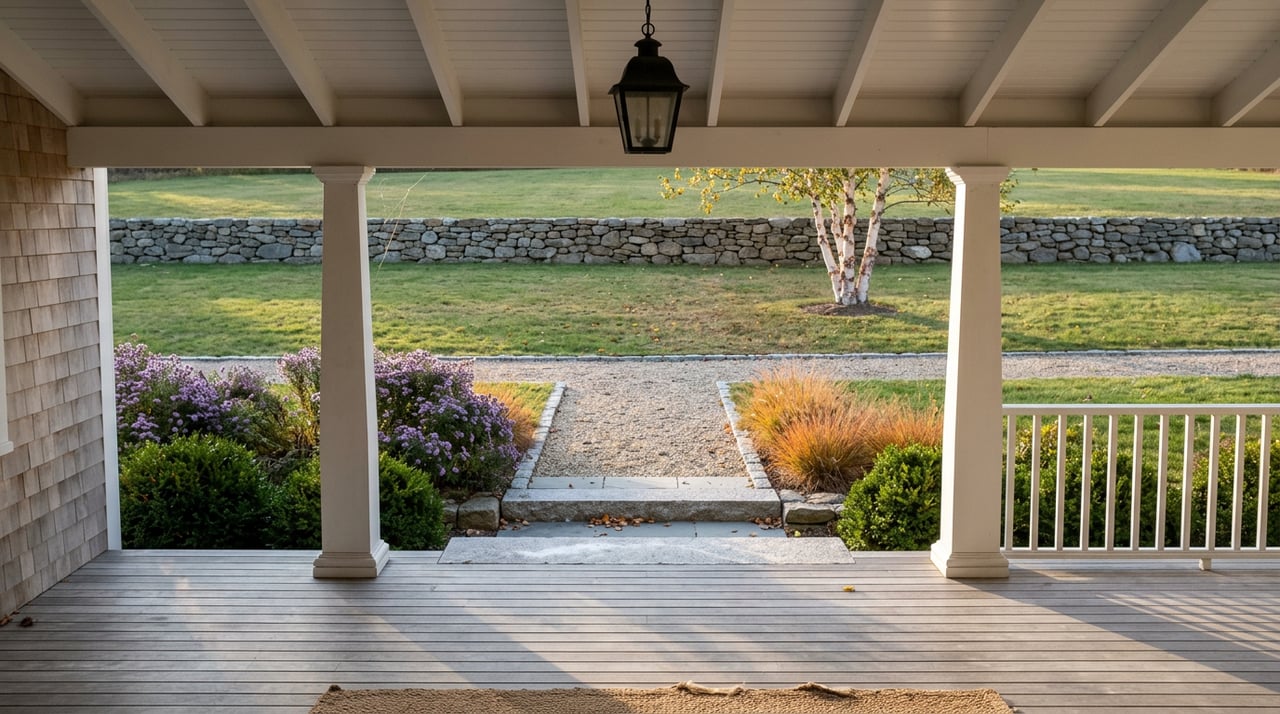
The fairgrounds went quiet on Labor Day night. The demolition derby wrapped, the midway lights came down, and by Tuesday morning the field on Ellsworth Road looked like it does eleven months out of twelve. If you've lived on the peninsula for more than a season, you know the feeling that follows: a kind of bracing for the shutdown, the sense that everything fun is packing up for winter.
It isn't. What actually happens the week after the Fair is stranger and more specific than a general slowdown, and once you see the pattern, it changes how you read every "closed for the season" sign you'll pass this fall.
The Market That Didn't Skip a Saturday
Here's the detail most people miss. The Blue Hill Farmers' Market runs Saturdays at the Fairgrounds from Memorial Day through Columbus Day, but during Fair week, the Fairgrounds belong to the Fair. Instead of canceling, the market picks up its tables and moves downtown to the Congregational Church parking lot for that one Saturday, then moves right back to Ellsworth Road the following week like nothing happened.
That's not a footnote. It's the whole operating logic of Blue Hill in September: when something needs the space, the market doesn't fold, it relocates. Vendors who've sold cut flowers and goat cheese from the same folding table for a decade know exactly which Saturday to check the church lot instead of the Fairgrounds, and which Saturday to check back on Ellsworth Road. If you showed up in Fair week expecting the usual spot and found an empty field, you'd conclude the market had ended for the year. It hadn't. It just had somewhere else to be.
What Actually Closed
Contrast that with Barncastle, where something genuinely does stop. The Barn's outdoor summer concert series, the one that brought the Mallett Brothers Trio, GoldenOak, and The Sugar Snaps through Blue Hill on Saturday nights all summer, runs its last show before Labor Day and doesn't pick back up until spring. That's a real closure, not a relocation. The stage goes dark, not sideways.
This is the distinction worth holding onto as the town rearranges itself this month: some things move, some things stop, and knowing which is which saves you a wasted Saturday drive.
| What | Late summer | Fair week (Sept 3-7) | After Columbus Day |
|---|---|---|---|
| Farmers' Market | Fairgrounds, Sat 9-11:30am | Congregational Church lot, downtown | Fairgrounds through Oct, then Winter Market at 48 South St starting Nov 1 |
| Barncastle outdoor concerts | Weekly through August | Done for the season | Dark until spring |
| The Stoop (27 Water St) | Open | Open | Open, year-round by design |
The One Business Betting Against the Calendar
Which brings us to the business that opened this year specifically to not follow any of this rhythm. Abby Barrows, who has farmed oysters on Deer Isle's Long Cove since 2015, opened The Stoop this summer at 27 Water Street, in the first-floor space of the old Brick Block downtown. She's also opening a companion shop, The Dooryard, in Stonington, but The Stoop is the one built for peninsula regulars rather than passing tourists.
Barrows told the Ellsworth American what she wanted the space to become:
"I'm excited to make it into an oyster bar and a space people want to gather year round."
That phrase, year round, is the tell. Most of downtown Blue Hill's food and drink economy still runs on a summer clock, thick in July and August, thinning by Columbus Day. The Stoop is a direct bet against that clock. Barrows built the menu to match: oysters from her own farm alongside other local growers, tinned fish, local cheese, simple drinks, nothing that requires a tourist season to justify keeping the lights on. If the bet works, it means Water Street has a year-round anchor it didn't have a year ago, one that stays open through the exact stretch when Barncastle's stage goes dark and the market starts thinking about its winter address.
The Real Line Is November 1
The Fair's closing weekend feels like the hinge of the year, but it isn't the actual line between seasons. That comes on November 1, when the Blue Hill Winter Market opens at 48 South Street, taking over from the Fairgrounds market once its Columbus Day run ends. Two different markets, two different addresses, same vendors mostly, and a gap of a few weeks in between where nothing formally replaces Saturday mornings at the Fairgrounds.
That gap is real, but it's shorter and more predictable than the vague sense of "everything closes after Labor Day" would suggest. The market doesn't disappear for the winter. It changes street twice in two months, on a schedule its vendors already know by heart.
What the Pattern Actually Tells You
None of this is really about a farmers' market schedule or a concert calendar. It's about how a small peninsula town handles the transition every fall, and the answer is more deliberate than it looks from the outside. Things that need to keep happening, like the market, get moved rather than canceled. Things that were always seasonal, like an outdoor concert series, get allowed to actually end. And every few years, someone opens a business specifically designed to ignore the seasonal clock altogether, betting that year-round demand exists if someone's willing to keep the doors open for it.
That's the read worth carrying into the rest of fall: Blue Hill in September isn't winding down so much as sorting itself into what stays, what pauses, and what's finally testing whether it can run twelve months instead of four. Watching where things land, on Water Street, at the church lot, at 48 South Street come November, tells you more about how this town actually works than any single week of it does.
If you're already weighing what a year-round life on this peninsula looks like, from the working waterfront to the roads that lead up toward Blue Hill Mountain, Laura Farr has spent years watching exactly this kind of seasonal rhythm play out property by property. Let's Connect.