Are you torn between winter mornings in horse country and summer afternoons on the coast? For many lifestyle buyers, that is not a fantasy. It is a practical way to shape the year around climate, property use, and the places you love most. If you are considering a home base in both Ocala and coastal Maine, this guide will help you understand why the pairing works, what each market contributes, and how to think about the rhythm of owning in both places. Let’s dive in.
Why Ocala and Coastal Maine Fit Together
A dual-market lifestyle works best when each location does something the other cannot. In Ocala, the draw is clear. Marion County officially identifies Ocala and Marion County as the Horse Capital of the World, and the county says it has more horses than anywhere else in the country.
That identity is not just branding. World Equestrian Center - Ocala describes itself as being in the heart of Central Florida’s horse country and as a premier site for sport and major events. If your lifestyle includes horses, acreage, barns, or estate living with room to spread out, Ocala gives you a winter anchor with strong equestrian infrastructure.
Coastal Maine offers a very different setting. Acadia National Park describes typical seasonal temperatures around 80°F in summer, about 60°F in spring and fall, and 0°F to 40°F in winter. Maine’s coastal access guide also reflects the breadth of the shoreline, organizing the coast around beaches, boat launches, parks, and trails across 144 coastal municipalities and townships.
Put simply, the two markets complement each other. Ocala supports a warm-weather, horse-centered season, while coastal Maine offers a cooler coastal retreat during the warmer months.
Climate Shapes the Lifestyle Calendar
For many second-home owners, climate is what turns a two-home plan from an idea into a routine. Ocala’s 1991 to 2020 NOAA normals show an annual mean temperature of 71.3°F, a July mean of 82.1°F, and a January mean of 58.1°F. The same data shows about 110.4 days per year with highs at or above 90°F and only 8 nights per year at or below freezing.
Those numbers tell you something important. Ocala is well suited to buyers who want a base that stays active through winter, especially if the property includes outdoor features such as paddocks, barns, arenas, or acreage that benefits from regular use.
Coastal Maine brings the contrast. Acadia’s official park information notes changeable weather, chilly summer nights, and annual snowfall averaging 60 inches. Summer is typically around 80°F, while spring and fall are closer to 60°F.
That makes Maine feel less like an extension of Florida and more like a true seasonal reset. If you enjoy cooler air, shoreline views, village settings, and outdoor recreation in summer and early fall, the Maine side of the equation can balance the heat and pace of Central Florida.
Ocala as the Winter Anchor
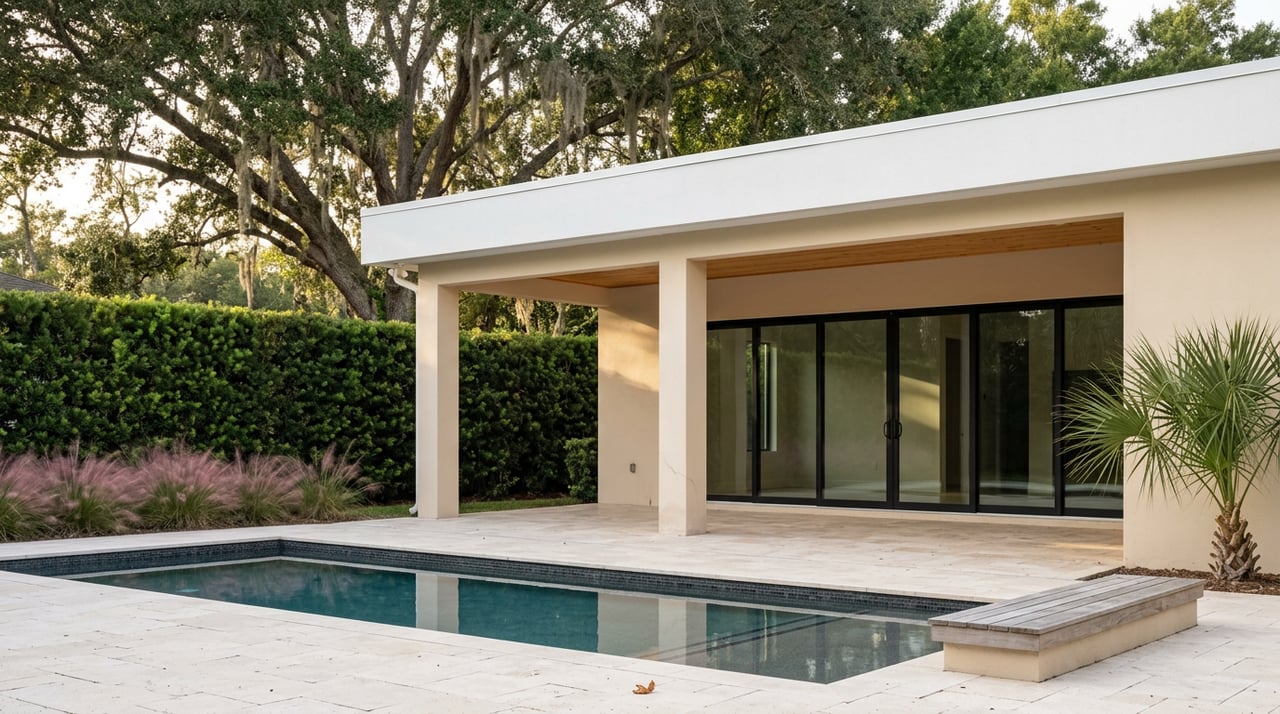
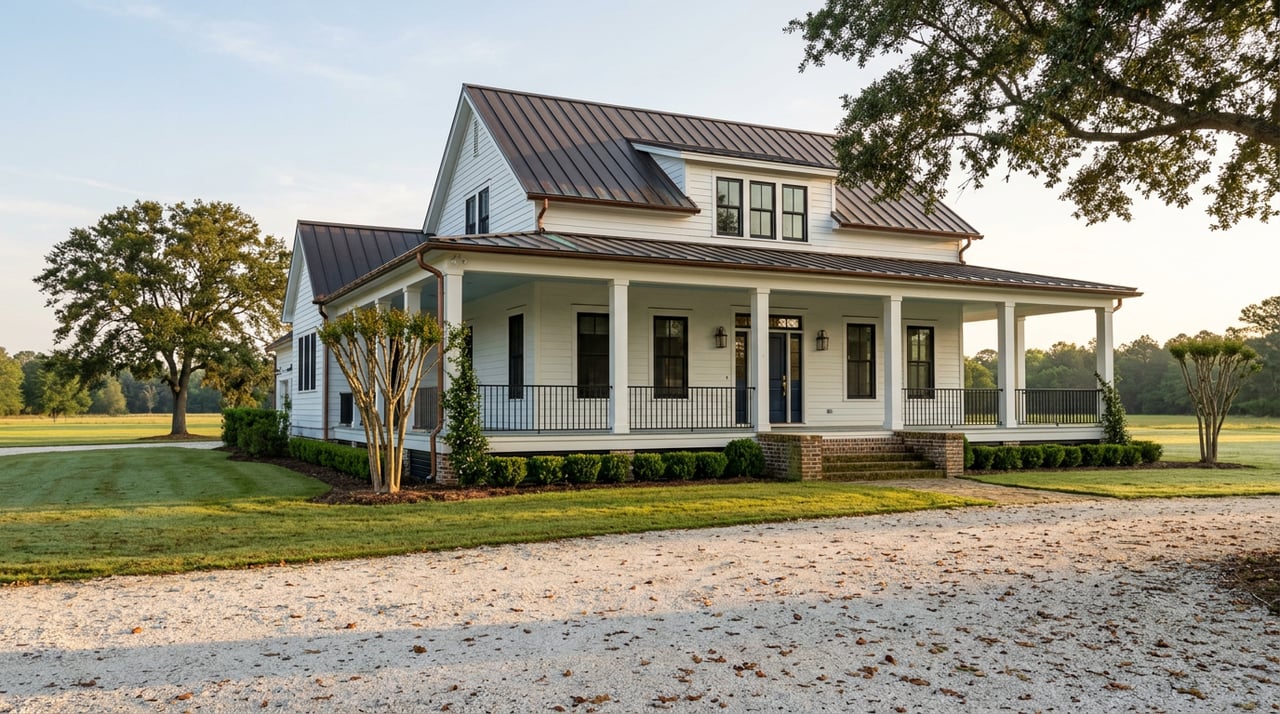
If you are building a year-round plan, Ocala often serves as the functional anchor. The reason is simple: this is a market where land and equestrian use are part of the local identity. In practical terms, buyers are often looking at horse farms, large acreage parcels, barns, arenas, pasture, and luxury homes designed around that lifestyle.
That can matter whether you are an active equestrian or simply want room, privacy, and a property with purpose. In and around Marion County, the setting supports country-lifestyle ownership in a way that feels established rather than improvised.
For buyers who spend part of the year elsewhere, Ocala can also be easier to frame as the working property in the pair. It may be the place where your horses are based, where your land use is most hands-on, or where winter living feels most active and social.
Coastal Maine as the Summer Retreat
On the Maine side, the story changes from land function to coastal setting. Acadia spans more than 48,000 acres across Mount Desert Island, Isle au Haut, Schoodic Peninsula, and other coastal islands. The state’s coastal access guide points to a wider shoreline network that includes beaches, trails, parks, boat launches, and publicly accessible private lands, including land-trust properties.
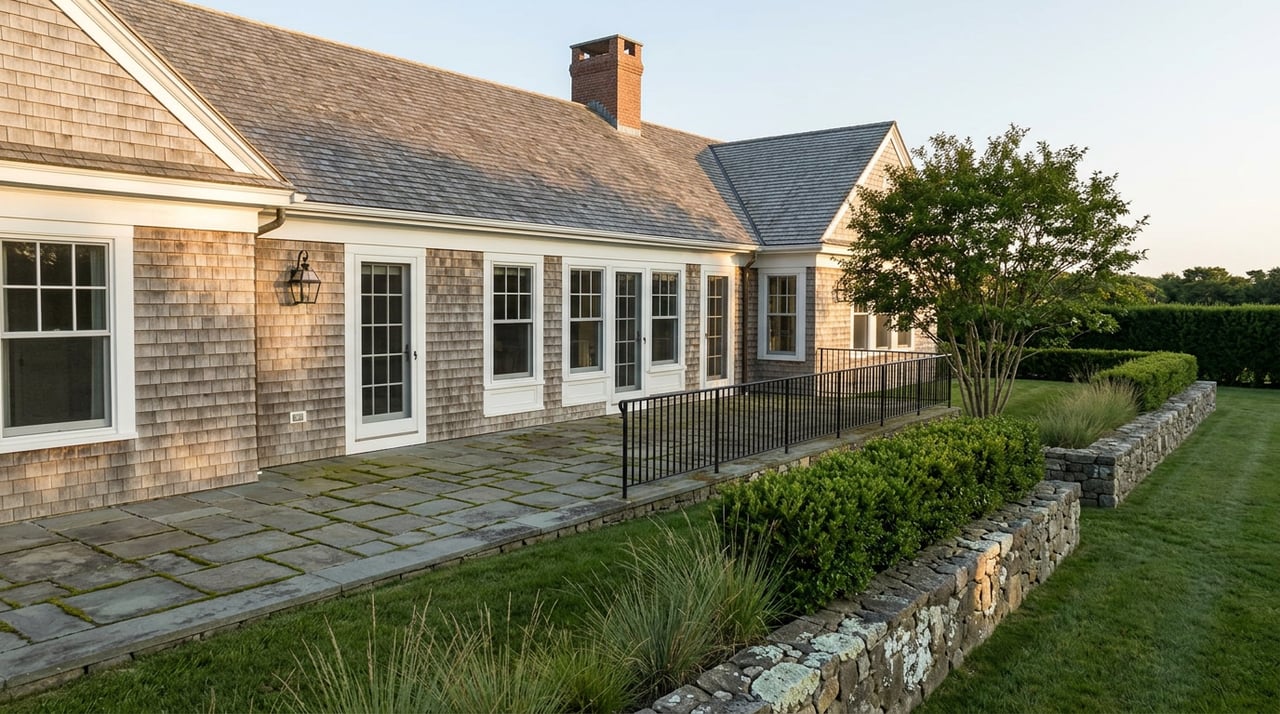
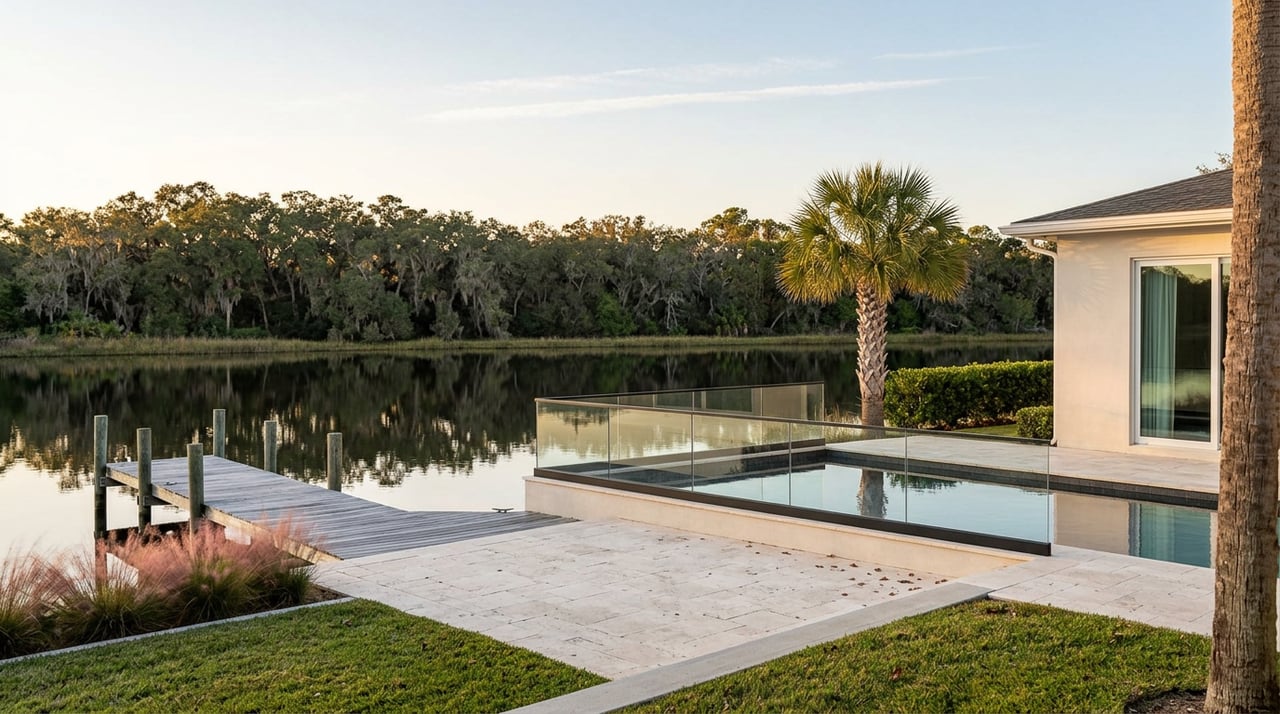
For a buyer comparing the two markets, Maine is usually not the horse-property counterpart. It is more often the harbor-side home, waterfront retreat, village residence, or island setting that supports a different pace of life.
That distinction matters when you search. In Ocala, you may prioritize acreage, outbuildings, and access for trailers or equipment. In coastal Maine, your priorities may shift toward water views, seasonal enjoyment, boating access, village proximity, or a home that feels like a summer base for hosting family and friends.
Travel Between the Two Markets
A dual-market life sounds glamorous, but it works best when you think practically about travel. On the Ocala side, the City of Ocala describes Ocala International Airport as a general aviation airport serving the city and county. For most owners who need scheduled airline service, larger regional gateways come into play.
Orlando International Airport’s 2024 fact sheet says the airport handled 57,735,726 passengers in 2023 and offers more domestic flights to U.S. destinations than any other Florida airport. That makes it an important part of the broader travel picture for many Central Florida owners.
In Maine, Portland International Jetport calls itself Maine’s largest airport, while Hancock County-Bar Harbor Airport says it is a year-round airport located between Ellsworth and Bar Harbor with year-round nonstop service to Boston through Cape Air. Depending on where your Maine property is located, one gateway may be more practical than another.
The key is to plan for a gateway-to-gateway routine rather than assume every trip will be simple or direct. For many owners, that means coordinating air travel, vehicle access, and move-in timing with the season.
Ownership Looks Different in Each Place
One of the biggest mistakes in dual-market buying is assuming both homes should be managed the same way. They should not. Each property has its own climate demands, maintenance rhythm, and seasonal priorities.
In Ocala, warmth and humidity affect how you think about year-round upkeep. If the property includes equestrian features, regular stewardship of pasture, barns, fencing, and grounds becomes part of ownership.
In coastal Maine, winter weather creates a different checklist. Acadia’s seasonal conditions, snowfall, and closures point to the need for thoughtful winterization and planning around a shorter peak-use window.
That is why the strongest dual-market strategy is not just about buying two homes. It is about matching each property to the season it serves best and preparing for the care that comes with it.
What Buyers Should Consider First
If you are exploring this lifestyle, start with the purpose behind each property. A clear plan makes every later decision easier, from search criteria to travel logistics.
Here are a few useful questions to ask yourself:
- Will Ocala be your active base for horses, land, or winter living?
- Will Maine be your summer retreat, your hosting property, or your quiet seasonal escape?
- How often do you expect to travel between the two homes?
- Which airport pattern makes the most sense for your routine?
- What level of maintenance and oversight will each property require?
- Do you want both homes to feel equally active, or should one be more functional and the other more restorative?
These questions help shape a portfolio that feels intentional. They also keep you from forcing one market to behave like the other.
A Smarter Way to Think About Two Homes
The best way to frame this lifestyle is not as constant back-and-forth travel. It is better understood as a year-round calendar. One home supports one season and set of priorities, while the other takes over when the weather, activities, and pace shift.
That mindset can make your search more focused. Instead of asking which home is better overall, you ask what role each home will play. In many cases, that is where Ocala and coastal Maine make unusual sense together.
For buyers drawn to both horse country and the coast, there is real value in working with someone who understands the character of each market. The details matter, from acreage and equestrian use in Central Florida to the setting, seasonality, and stewardship expectations of a Maine coastal property.
If you are thinking about how to build a lifestyle between Ocala and coastal Maine, Laura Farr offers thoughtful guidance rooted in both markets, with a warm, high-touch approach tailored to destination and lifestyle properties.
FAQs
Why do buyers pair Ocala with coastal Maine?
- Buyers often pair Ocala with coastal Maine because Ocala offers a horse-centered winter base in Marion County, while coastal Maine offers cooler summer living and broad access to shoreline recreation.
What makes Ocala a strong winter home base?
- Ocala has a warm climate, with a January mean temperature of 58.1°F and only about 8 nights per year at or below freezing, and it is closely tied to equestrian living through Marion County’s Horse Capital identity.
What kind of property do buyers usually seek in Ocala?
- In Ocala, buyers often focus on horse farms, large acreage, barns, arenas, pasture, and estate homes that support an equestrian or country lifestyle.
Is coastal Maine only about Bar Harbor?
- No. Maine’s coast extends well beyond Bar Harbor, and the state’s coastal access guide covers 144 coastal municipalities and townships.
What kind of property fits the Maine side of a dual-market lifestyle?
- On the Maine side, buyers often look for waterfront, harbor-side, island, or village properties that work as seasonal retreats rather than as horse-property equivalents.
How do most owners travel between Ocala and coastal Maine?
- Many owners use a practical gateway pattern, with general aviation access in Ocala and scheduled service through larger airports such as Orlando International Airport, Portland International Jetport, or Hancock County-Bar Harbor Airport depending on location and season.